
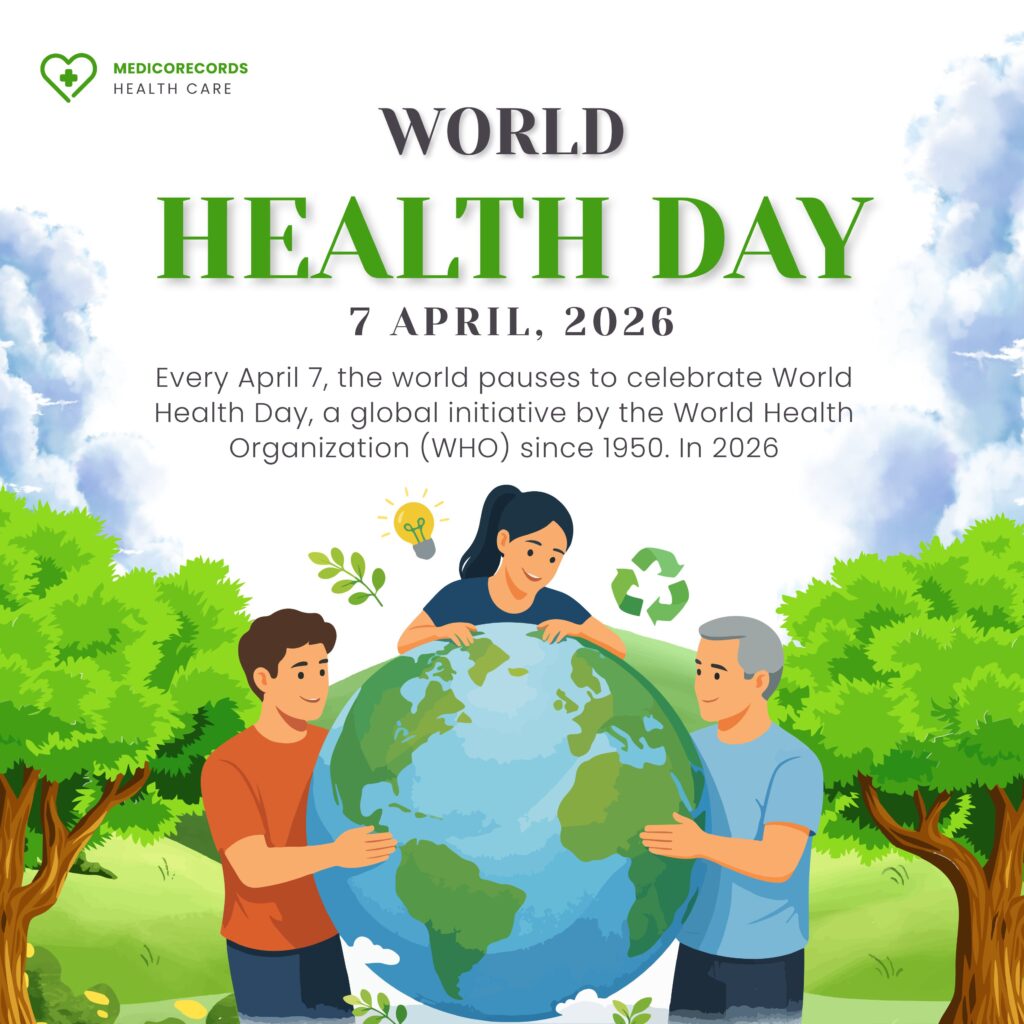
Every April 7, the world pauses to celebrate World Health Day, a global initiative by the World Health Organization (WHO) since 1950. In 2026, the theme “Health Equity: My Health, My Right” shines a spotlight on a fundamental truth: access to quality healthcare shouldn’t depend on where you live, your income, or your background. At Hospital in Varanasi, Uttar Pradesh, we see this daily—patients from the bustling Ghats to rural outskirts, all deserving equal care. This World Health Day, let’s explore what health equity means, why it matters now more than ever, and how we can turn this right into reality.
Understanding Health Equity in Today’s World
Health equity goes beyond treating illness; it’s about preventing it through fair access to resources. Imagine two families in Varanasi: one near Assi Ghat with easy clinic access, the other in a distant village facing hours-long travel. The urban family gets routine check-ups; the rural one waits until emergencies strike. This gap isn’t just inconvenient—it’s life-threatening.
Globally, WHO reports stark disparities. In low-income regions, maternal mortality rates are 20 times higher than in high-income areas. Post-pandemic, these inequities worsened: vaccine access favored wealthy nations, leaving billions behind. In India, rural-urban divides persist—urban areas boast 2.5 hospital beds per 1,000 people, while rural spots average under 1. Non-communicable diseases like diabetes and hypertension, now epidemic in Uttar Pradesh, hit the poor hardest due to limited screening.
At Hospital, we’ve witnessed this firsthand. Our outreach camps in Varanasi’s outskirts screen thousands for early diabetes detection, bridging gaps that statistics alone can’t fix.
My Health, My Right: A Universal Demand
The 2026 theme empowers individuals to claim their health rights. It’s rooted in the Universal Declaration of Human Rights (Article 25), affirming healthcare as a basic entitlement. Yet, barriers abound: poverty, gender bias, caste discrimination, and geography.
In Uttar Pradesh, women face unique hurdles. Cultural norms delay care, and only 50% of rural girls complete basic vaccinations. Men, meanwhile, ignore mental health until crises erupt. Children in slums suffer malnutrition, stunting growth and futures.
Technology offers hope. Telemedicine, booming in India since Ayushman Bharat, connects remote patients to specialists. Hospital’s app delivers virtual consults, prescriptions, and follow-ups—vital for Ganga-flood prone areas where roads flood seasonally.
Challenges to Health Equity in India and Uttar Pradesh
India’s healthcare paradox is clear: world-class facilities coexist with overburdened public systems. Uttar Pradesh, with 240 million people, has just 0.7 doctors per 1,000—below WHO’s 1:1,000 benchmark. Varanasi’s holy status draws millions, straining resources during Kumbh Mela.
Key challenges include:
- Affordability: Out-of-pocket expenses devour 60% of health spends, pushing families into debt.
- Awareness Gaps: Myths deter preventive care; many shun vaccines fearing side effects.
- Infrastructure: Rural PHCs lack specialists; ambulances are scarce.
- Climate Impact: Varanasi’s heatwaves exacerbate respiratory issues, hitting the vulnerable hardest.
COVID-19 exposed these: Uttar Pradesh’s positivity rate peaked at 30% in unvaccinated pockets. Lessons learned? Community health workers (ASHAs) proved heroes, but we need more.
Steps Toward a Healthier, Equitable Future
Achieving equity demands collective action. Governments must scale schemes like PM-JAY, covering 500 million with insurance. Private players like Hospital step up with subsidized camps and mobile units.
Individual Actions:
- Prioritize preventive check-ups: Annual screenings catch issues early.
- Adopt healthy habits: Balanced diets with local millets combat diabetes.
- Advocate: Demand better local clinics.
Community Efforts:
- Partner with NGOs for awareness drives.
- Use apps for health tracking.
Policy Wins:
India’s National Health Policy 2017 targets universal coverage by 2025—progress is real, but acceleration needed.
Hospital contributes via free World Health Day camps on April 7, 2026: screenings for BP, sugar, and BMI, plus yoga sessions by the Ganga. Join us!
My Health, My Right: Stories from Varanasi
Meet Rajesh, a 45-year-old weaver from Ramnagar. Daily looms left no time for health—until chest pains hit. Our outreach van diagnosed hypertension early; now he’s thriving on meds and diet tweaks. Or Lakshmi, a homemaker from Lohta village. Postpartum complications lingered due to distance, but telemedicine consultations saved her.
These aren’t anomalies; they’re proof equity works when accessible.
The Road Ahead for World Health Day 2026
As we mark World Health Day 2026, let’s commit to equity. For Varanasi’s 1.5 million residents, this means stronger PHCs, more specialists, and community trust. Globally, WHO calls for $40 billion annually to close gaps.
At Hospital, we’re all-in: expanding OPDs, training ASHAs, and launching equity-focused programs. Your health is your right—claim it.
Stay healthy, Varanasi! #WorldHealthDay2026 #HealthEquity
Frequently Asked Questions (FAQs)
Q: What is World Health Day?
A: Observed annually on April 7 since 1948, it highlights global health priorities set by WHO. In 2026, the focus is “Health Equity: My Health, My Right.”
Q: Why is health equity important in Varanasi?
A: Urban-rural divides mean rural patients travel far for care. Equity ensures everyone accesses screenings, treatments, and education equally.
Q: How can I participate in Hospital’s World Health Day event?
A: Visit hospital.com/whd2026 or call our helpline. Free screenings and workshops on April 7, 2026—no appointment needed for walk-ins.
Q: What are simple ways to improve personal health equity?
A: Schedule annual check-ups, use telemedicine for remote consults, and eat locally sourced foods like ragi for nutrition.
Q: Does Hospital offer financial aid for treatments?
A: Yes, we partner with PM-JAY and provide subsidies for low-income patients. Inquire at reception for eligibility.
Q: How does climate change affect health equity here?
A: Varanasi’s floods and heat increase vector-borne diseases. We recommend mosquito nets and hydration drives in vulnerable areas.
Would you like me to adjust the tone (e.g., more formal or promotional), add specific hospital services, or include images/local stats?
Written by:
Naveen Kumar Prajapati
Medical Record Officer with 10+ years of experience in NABH-accredited hospitals and Healthcare Business Analyst at Fatima Hospital, Gorakhpur. Passionate about health equity, data-driven care, and community wellness initiatives across Uttar Pradesh.