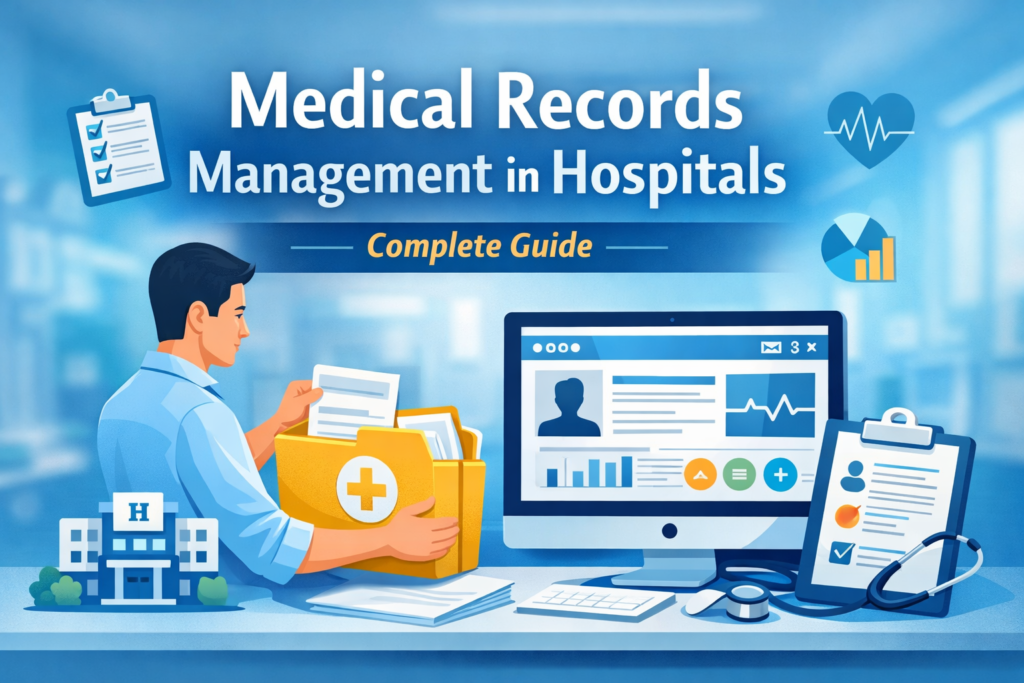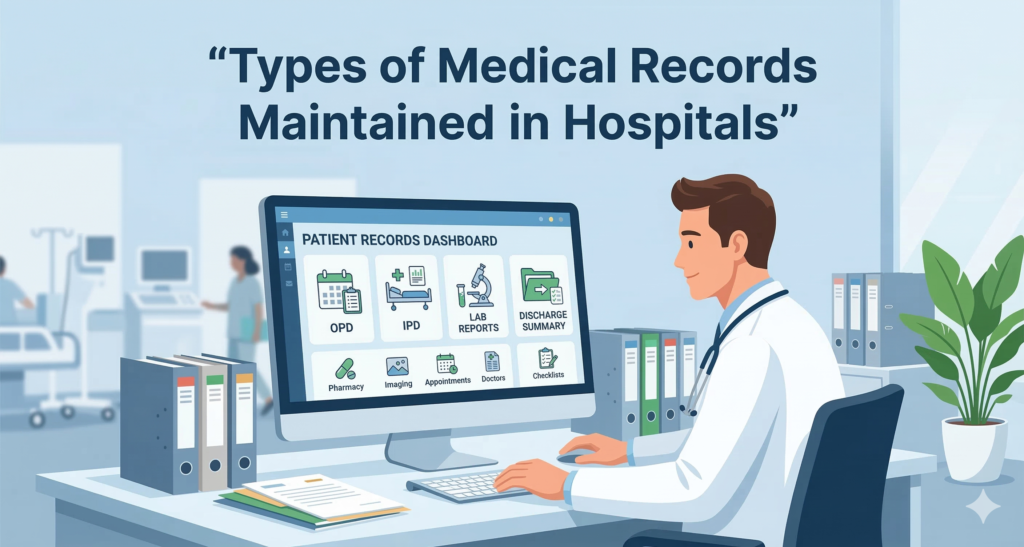
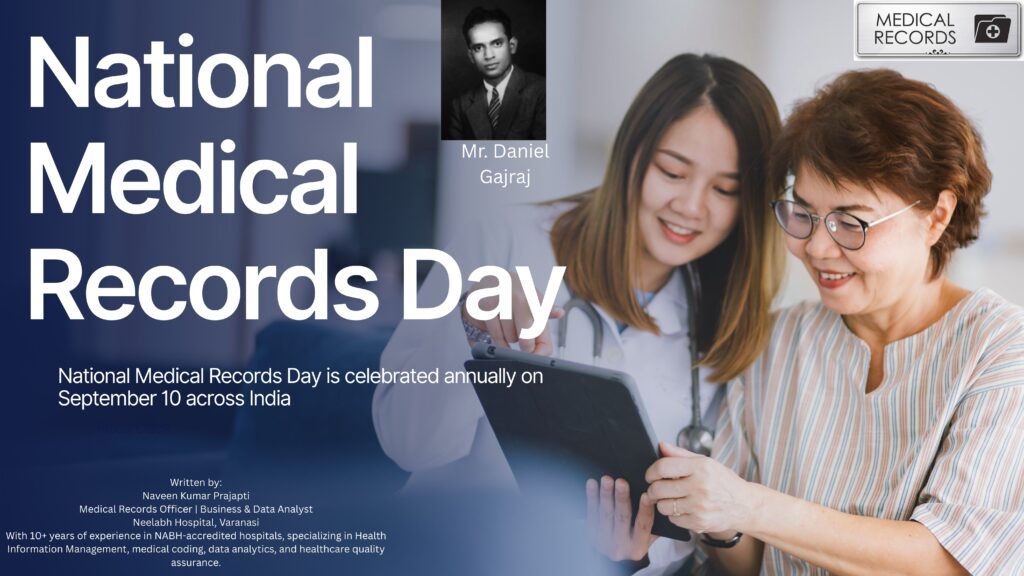
National Medical Records Day is celebrated annually on September 10 across India and globally to honor the critical role of accurate, confidential, and well-managed medical records in delivering quality healthcare. This special day recognizes the dedicated health information management professionals who ensure every patient’s story is documented with precision, ethics, and respect for privacy.
When Do We Celebrate Medical Records Day?
Date: September 10 (every year)
First Observed: In honor of Mr. Daniel Gajraj, a visionary who transformed medical records management in India.
2026 Celebration: Wednesday, September 10, 2026
In India, the day has gained special significance with the Ministry of AYUSH also observing AYUSH Medical Coding and Records Day on January 10, promoting standardized documentation across traditional medicine systems.
Why Do We Celebrate Medical Records Day?
Medical records are the backbone of modern healthcare. This day is celebrated to:
1. Honor Medical Records Professionals
Health Information Management (HIM) professionals work behind the scenes to ensure every diagnosis, treatment, and outcome is accurately recorded. Their work supports continuity of care, legal protection, and clinical audits.
2. Promote Accurate Documentation
A well-maintained medical record reflects the integrity and efficiency of the entire healthcare team. Accurate records prevent medical errors, support evidence-based treatment, and enable seamless communication among doctors, nurses, and specialists.
3. Ensure Patient Safety & Confidentiality
Medical records contain sensitive personal and health information. This day emphasizes the importance of data security, privacy compliance (such as India’s Digital Personal Data Protection Act, 2023), and ethical handling of patient information.
4. Support Research & Quality Improvement
Aggregated, anonymized medical records fuel clinical research, epidemiological studies, and healthcare policy decisions. They help identify disease trends, measure treatment outcomes, and drive quality improvement initiatives.
5. Encourage Standardization & Interoperability
With India’s push toward digital health (Ayushman Bharat Digital Mission), standardized medical records enable seamless data exchange between hospitals, clinics, and insurance providers.
What Are Medical Records?
Medical records are comprehensive documents that capture a patient’s complete health journey, including:
- Patient demographics and identification
- Medical history and family history
- Chief complaints and clinical examinations
- Diagnosis (provisional and final)
- Treatment plans, medications, and procedures
- Laboratory and imaging reports
- Consent forms and discharge summaries
- Follow-up instructions and outcomes
At FATIMA HOSPITAL GORAKHPUR, we maintain both physical and electronic medical records (EMR) to ensure quick access, data security, and continuity of care for every patient.
Tangible Benefits of Maintaining Medical Records
| Benefit | Impact on Healthcare |
|---|---|
| Continuity of Care | Enables seamless handover between shifts, departments, and facilities |
| Legal Protection | Serves as evidence in medico-legal cases and insurance claims |
| Clinical Audits | Supports quality indicators, accreditation (NABH), and performance tracking |
| Research & Education | Provides data for clinical studies, case reports, and medical training |
| Transparent Communication | Facilitates clear information flow among multidisciplinary teams |
| Billing & Reimbursement | Ensures accurate coding for insurance and government schemes (AB-PMJAY) |
How fatima Hospital Celebrates Medical Records Day
Every September 10, we:
- Recognize and award our Health Information Management team
- Conduct workshops on EMR best practices and data privacy
- Organize patient awareness camps on the importance of maintaining personal health records
- Review and upgrade our record-keeping protocols to meet national and international standards
SEO-Optimized Keywords for High Google Ranking
To ensure this article ranks highly on Google, we’ve integrated these high-value healthcare keywords naturally throughout:
- National Medical Records Day 2026
- Medical Records Day celebration date
- Why celebrate Medical Records Day
- Importance of medical records in healthcare
- Health Information Management professionals
- Electronic Medical Records (EMR) benefits
- Medical coding and records India
- Patient data confidentiality laws India
- Fatima Hospital Gorakhpur medical records
- AYUSH Medical Coding and Records Day
Frequently Asked Questions (FAQs)
Q1: When is National Medical Records Day celebrated in India?
A: National Medical Records Day is celebrated on September 10 every year in India.
Q2: Who started Medical Records Day?
A: The day honors Mr. Daniel Gajraj, a pioneer who revolutionized medical records management in India. His visionary contributions laid the foundation for modern health information systems.
Q3: Why is maintaining medical records important?
A: Medical records ensure continuity of care, legal protection, accurate clinical audits, research support, and transparent communication among healthcare providers. They are essential for patient safety and quality improvement.
Q4: What is the difference between EMR and EHR?
A:
- EMR (Electronic Medical Record): Digital version of a patient’s chart within one hospital or clinic.
- EHR (Electronic Health Record): Comprehensive record that follows the patient across multiple healthcare providers and facilities, enabling interoperability.
Q5: How long should medical records be kept?
A: As per Indian medical council guidelines and NABH standards, medical records should be retained for a minimum of 3 years for general cases and up to 10 years or more for medico-legal cases, pediatric records, and chronic disease management.
Q6: Is patient data confidential in India?
A: Yes. Patient data is protected under the Digital Personal Data Protection Act, 2023, the Indian Medical Council (Professional Conduct) Regulations, and NABH accreditation standards. Unauthorized disclosure is a punishable offense.
Q7: What is AYUSH Medical Coding and Records Day?
A: Celebrated on January 10, this day promotes standardized medical coding and record-keeping across AYUSH (Ayurveda, Yoga, Unani, Siddha, Homeopathy) systems in India, aligned with WHO’s ICD-11 Traditional Medicine module.
Q8: How can patients access their medical records at Fatima Hospital?
A: Patients can request their medical records by visiting the Health Information Management Department at Fatima Hospital, Varanasi, with valid ID proof. Digital copies can be provided within 72 hours as per hospital policy.
Q9: What role does medical coding play in healthcare?
A: Medical coding translates diagnoses, procedures, and treatments into standardized codes (ICD-10, CPT, HCPCS) for billing, insurance claims, epidemiological tracking, and research. Accurate coding ensures proper reimbursement and data analytics.
Q10: How does fatima Hospital ensure data security?
A: We use encrypted EMR systems, role-based access controls, regular staff training on data privacy, and comply with national cybersecurity guidelines to protect patient information from unauthorized access and breaches.
Call to Action
This National Medical Records Day, join Fatima Hospital, Gorakhpur in recognizing the unsung heroes of healthcare—our Health Information Management team. Accurate documentation saves lives. Let’s commit to maintaining precise, secure, and patient-centric medical records.
Written by:
Naveen Kumar Prajapati
Medical Records Officer | Business & Data Analyst
Fatima Hospital, Gorakhpur
With 10+ years of experience in NABH-accredited hospitals, specializing in Health Information Management, medical coding, data analytics, and healthcare quality assurance.