The Access, Assessment, and Continuity of Care (AAC) chapter is one of the most important components of NABH (National Accreditation Board for Hospitals & Healthcare Providers) standards. It ensures that patients receive timely, safe, and coordinated care from the moment they enter the hospital until discharge and follow-up.
This chapter focuses on patient flow, clinical assessment, admission processes, continuity of care, and discharge planning. Proper implementation of AAC standards enhances patient satisfaction, improves clinical outcomes, and ensures compliance with NABH accreditation.
What is AAC in NABH?
AAC stands for Access, Assessment, and Continuity of Care. It defines how patients access healthcare services, how they are assessed, and how care is continued across departments and during discharge.
The AAC chapter ensures that:
- Patients receive care without unnecessary delays
- Clinical assessments are accurate and timely
- Treatment is coordinated among healthcare providers
- Proper discharge and follow-up systems are in place
Key Objectives of AAC Chapter
The AAC chapter is designed to achieve the following objectives:
- Provide timely access to healthcare services
- Ensure systematic patient assessment
- Maintain continuity of care across departments
- Improve patient safety and quality of care
- Ensure proper documentation and communication
Major Elements of AAC Chapter
1. Access to Care and Admission
This section ensures that patients can easily access hospital services.
Key Points:
- Defined admission criteria for IPD, OPD, and emergency
- Triage system for emergency patients
- Registration process is standardized
- Priority given to critical patients
Hospitals must ensure that:
- No patient is denied emergency care
- Waiting times are minimized
- Admission decisions are clinically justified
2. Initial Patient Assessment
Every patient must undergo an initial assessment upon arrival.
Includes:
- Medical history
- Physical examination
- Vital signs
- Relevant investigations
Important Guidelines:
- Assessment must be completed within a defined time
- Conducted by qualified healthcare professionals
- Documentation must be accurate and complete
3. Reassessment of Patients
Patient condition can change over time, so reassessment is critical.
Requirements:
- Periodic reassessment based on patient condition
- Monitoring of treatment effectiveness
- Changes in care plan if required
For example:
- ICU patients require frequent reassessment
- Stable patients may have scheduled reassessment intervals
4. Care Planning and Treatment
After assessment, a proper care plan is developed.
Includes:
- Diagnosis-based treatment plan
- Medication management
- Nursing care plan
- Multidisciplinary approach
Hospitals must ensure:
- Treatment is evidence-based
- Care is patient-centered
- All departments coordinate effectively
5. Continuity of Care
Continuity ensures smooth patient care across departments.
Key Aspects:
- Proper handover between shifts
- Interdepartmental coordination
- Documentation of treatment progress
Examples:
- Transfer from OPD to IPD
- ICU to ward transfer
- Referral to specialists
6. Referral and Transfer of Patients
Sometimes patients need to be referred or transferred.
Requirements:
- Proper documentation of transfer
- Stabilization before transfer
- Communication with receiving facility
Hospitals must ensure patient safety during transfers.
7. Discharge Planning
Discharge is an important part of patient care.
Includes:
- Discharge summary
- Medication instructions
- Follow-up advice
- Patient education
A good discharge plan reduces readmission rates.
8. Follow-Up Care
Continuity does not end at discharge.
Hospitals must:
- Provide follow-up schedules
- Maintain outpatient records
- Ensure continuity in treatment
Documentation Requirements in AAC
Documentation plays a crucial role in NABH compliance.
Essential Documents:
- Admission records
- Assessment forms
- Progress notes
- Treatment plans
- Discharge summaries
Good documentation ensures:
- Legal safety
- Better communication
- Audit readiness
Role of Medical Records Department (MRD) in AAC
The Medical Records Department (MRD) plays a key role in AAC implementation.
Responsibilities:
- Maintain patient records
- Ensure proper documentation
- Support clinical audits
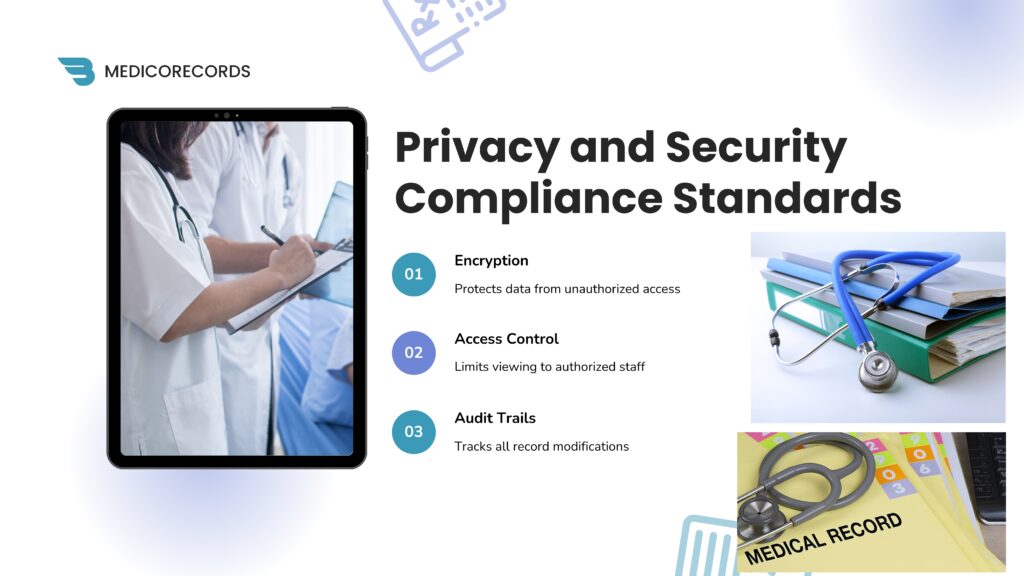
- Ensure data confidentiality
MRD helps hospitals achieve NABH compliance through accurate and organized records.
Common Challenges in AAC Implementation
Hospitals may face challenges such as:
- Poor documentation practices
- Lack of coordination between departments
- Delays in patient assessment
- Inadequate discharge planning
Solutions:
- Regular staff training
- Internal audits
- Standard operating procedures (SOPs)
- Use of EMR systems
Importance of AAC in Patient Care
AAC is essential because it:
- Improves patient safety
- Reduces medical errors
- Enhances patient satisfaction
- Ensures continuity and quality of care
- Supports NABH accreditation
Hospitals that follow AAC standards provide more efficient and reliable healthcare services.
Conclusion
The AAC chapter in NABH is the backbone of patient care management in hospitals. It ensures that patients receive timely access, proper assessment, and continuous care throughout their treatment journey.
By implementing AAC standards effectively, hospitals can improve clinical outcomes, ensure patient safety, and achieve NABH accreditation successfully. Strong coordination, proper documentation, and continuous monitoring are key to mastering this chapter.
FAQs
1. What is AAC in NABH?
AAC stands for Access, Assessment, and Continuity of Care, focusing on patient flow and care management.
2. Why is AAC important?
It ensures safe, timely, and coordinated patient care.
3. What is included in AAC assessment?
Medical history, physical examination, and diagnostic evaluation.
4. Who is responsible for AAC implementation?
Doctors, nurses, hospital management, and MRD team.
5. How does AAC help in NABH accreditation?
It ensures compliance with quality and patient safety standards required by NABH.
Written By: Naveen Prajapati
Medical Records Officer with expertise in NABH standards, hospital documentation, and healthcare quality management. Currently pursuing Business Analytics, with a strong focus on data-driven healthcare improvement and hospital accreditation processes.